The Alliance of Lordaeron, once a powerful coalition of human kingdoms, ultimately fell apart due to a combination of internal strife, political intrigue, and external pressures. Understanding the factors that led to its disintegration is crucial for grasping the complexities of Warcraft lore. This guide delves into the specific causes of the Alliance’s collapse, examining the political dynamics, key figures, and pivotal events that contributed to its downfall.
What were the main reasons for the collapse of the Alliance of Lordaeron?
The collapse of the Alliance of Lordaeron was primarily due to internal discord, betrayal among its leaders, and the overwhelming threat posed by external enemies.
The Alliance was formed to unite the human kingdoms against the looming threat of the Scourge and the Burning Legion. However, as the war progressed, the unity that once characterized the Alliance began to erode. Political rivalries and differing priorities among the member kingdoms led to mistrust and fragmentation. Key figures such as King Terenas Menethil II struggled to maintain cohesion, while factions within the Alliance sought their own interests over collective goals. This internal strife was exacerbated by the emergence of powerful adversaries, which further strained the Alliance’s resources and resolve.
- Recognize the impact of political rivalries among member kingdoms.
- Understand the role of betrayal by key leaders, such as Arthas Menethil.
- Analyze the influence of external threats like the Scourge and the Burning Legion.
- Examine the failure of communication and cooperation within the Alliance.
How did political intrigue contribute to the Alliance’s downfall?
Political intrigue played a significant role in the Alliance’s downfall, as leaders prioritized personal ambitions over collective security.
The political landscape of the Alliance was rife with ambition and betrayal. Key leaders, including Arthas and his mentor Uther, were often at odds, leading to decisions that favored individual kingdoms rather than the Alliance as a whole. The internal conflict reached a boiling point when Arthas, driven by desperation, made the fateful choice to pursue the cursed sword Frostmourne. This act not only led to his corruption but also created a rift among the Alliance’s leaders, who were left to deal with the consequences of his actions. The lack of a unified front allowed for the rise of dissenting factions, ultimately leading to the Alliance’s fragmentation.
Moreover, the absence of effective communication channels among the member kingdoms exacerbated the situation. Each kingdom operated independently, often making unilateral decisions that undermined the Alliance’s collective strategy. This disjointed approach made it difficult to coordinate military efforts against the Scourge, leading to a series of defeats that further weakened the Alliance’s resolve. The political machinations of figures like Lady Sylvanas Windrunner and her eventual betrayal of the Alliance added another layer of complexity, illustrating how personal vendettas could have dire consequences for the coalition as a whole.
What external threats challenged the Alliance of Lordaeron?
The Alliance faced formidable external threats, primarily from the Scourge and the Burning Legion, which exploited the internal divisions of the coalition.
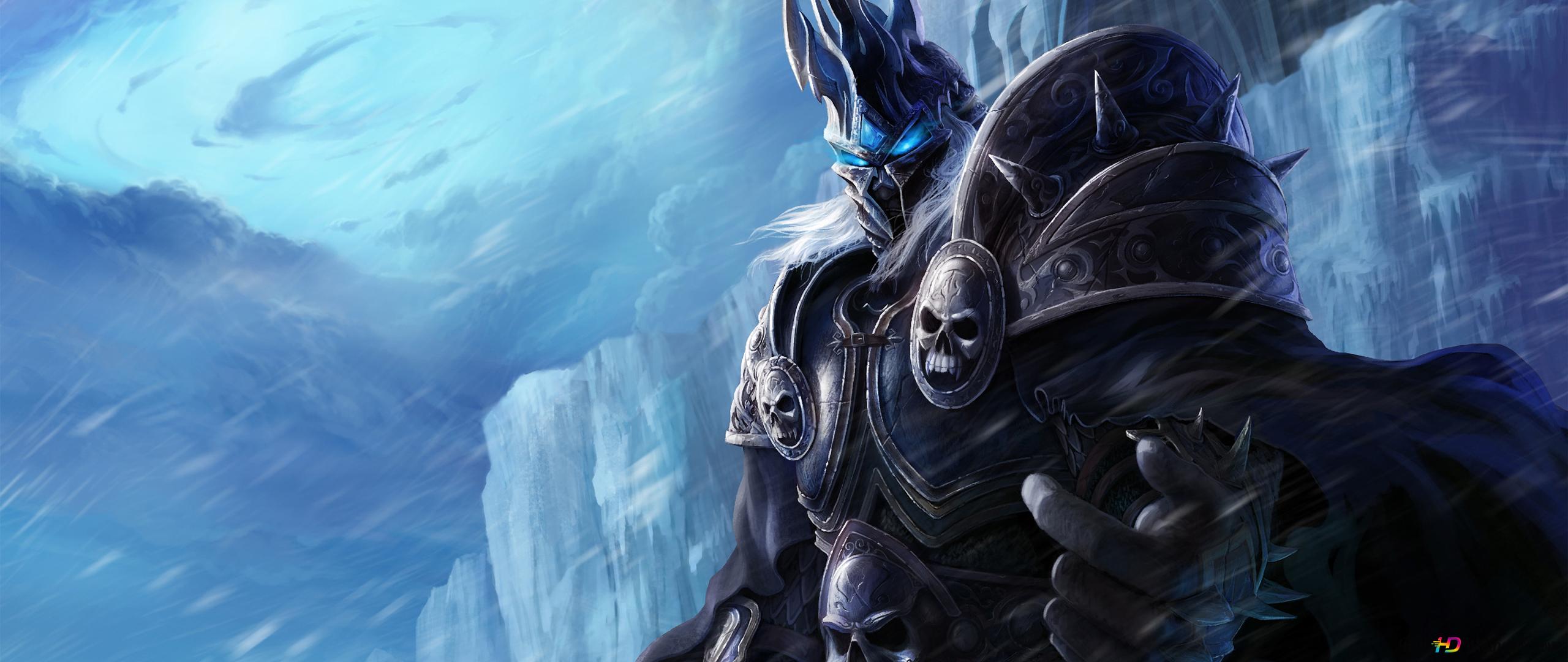
The Scourge, led by the Lich King, posed an existential threat to the Alliance. As the undead army swept across Lordaeron, the member kingdoms found themselves overwhelmed and unable to mount a cohesive defense. The Scourge’s relentless onslaught capitalized on the Alliance’s internal strife, as individual kingdoms were forced to prioritize their own survival over the collective effort. This fragmentation allowed the Scourge to conquer vast territories, further diminishing the Alliance’s strength and morale.
In addition to the Scourge, the Burning Legion’s re-emergence during the Third War added another layer of complexity to the Alliance’s challenges. The Legion sought to invade Azeroth, and the chaos within the Alliance made it difficult to mount a united front against this new threat. The internal divisions and lack of trust among the member kingdoms meant that resources were not allocated effectively, leading to missed opportunities to counter the Legion’s advances. This dual threat of the Scourge and the Burning Legion ultimately proved too much for the Alliance to handle, leading to its eventual collapse.
What were the key events leading to the Alliance’s collapse?
Key events leading to the Alliance’s collapse included the rise of the Scourge, Arthas’s betrayal, and the invasion by the Burning Legion.
The following table summarizes the pivotal moments that contributed to the disintegration of the Alliance of Lordaeron. Each event played a crucial role in shaping the political landscape and weakening the coalition’s resolve.
| Event | Date | Impact | Key Figures Involved |
|---|---|---|---|
| Fall of Lordaeron | Third War | Loss of a key kingdom, morale drop | King Terenas, Arthas |
| Arthas’s Betrayal | Third War | Corruption of a hero, loss of unity | Arthas, Uther |
| Invasion of the Burning Legion | Third War | Heightened external threat, resource strain | Illidan, Malfurion |
How did resource allocation affect the Alliance’s effectiveness?
Poor resource allocation significantly hampered the Alliance’s effectiveness in combating external threats and maintaining internal cohesion.
As the Alliance faced the dual threats of the Scourge and the Burning Legion, the distribution of resources became a critical issue. Each kingdom prioritized its own defense, leading to a lack of coordinated military efforts. This disjointed approach meant that while some kingdoms fortified their borders, others were left vulnerable to attacks. The inability to share resources effectively, such as troops and supplies, resulted in missed opportunities to launch counteroffensives against the Scourge, further exacerbating the Alliance’s plight.
Moreover, the internal political strife contributed to inefficient resource management. Leaders were often more focused on their own ambitions than on the collective needs of the Alliance. This lack of a unified strategy meant that resources were often wasted on futile endeavors or misallocated to less critical areas. The cumulative effect of these decisions led to a gradual erosion of the Alliance’s military capabilities and ultimately its ability to respond to the growing threats it faced.
What lessons can be learned from the Alliance of Lordaeron’s collapse?
The collapse of the Alliance of Lordaeron teaches valuable lessons about the importance of unity, communication, and strategic resource management in the face of adversity.
One of the most significant lessons is the necessity of maintaining open lines of communication among coalition partners. The Alliance’s failure to effectively communicate led to misunderstandings and mistrust, which ultimately contributed to its downfall. Ensuring that all member kingdoms are aligned in their goals and strategies is crucial for any coalition’s success. Additionally, prioritizing collective security over individual ambitions is essential for maintaining unity in the face of external threats.
Furthermore, the importance of strategic resource allocation cannot be overstated. Effective management of resources, including military forces and supplies, is vital for a coalition’s ability to respond to threats. The Alliance’s failure to coordinate its efforts and share resources ultimately weakened its position against formidable adversaries. Learning from these mistakes can help future coalitions avoid similar pitfalls and foster stronger alliances.
Frequently Asked Questions
What was the primary cause of the Alliance’s internal strife?
The primary cause of the Alliance’s internal strife was the political rivalry among its member kingdoms, which led to mistrust and fragmentation. Key leaders often prioritized their own ambitions over the collective goals of the Alliance, resulting in a lack of cohesion.
How did Arthas’s actions contribute to the Alliance’s downfall?
Arthas’s actions, particularly his decision to pursue Frostmourne, led to his corruption and betrayal of the Alliance. This created a significant rift among the leaders and weakened the coalition’s ability to respond to external threats.
What role did the Scourge play in the Alliance’s collapse?
The Scourge, led by the Lich King, posed an existential threat to the Alliance. Their relentless attacks capitalized on the internal divisions within the coalition, leading to significant territorial losses and a decline in morale.
Can the lessons from the Alliance’s collapse be applied to modern coalitions?
Yes, the lessons learned from the Alliance’s collapse highlight the importance of unity, effective communication, and strategic resource management. These principles are crucial for the success of any coalition facing external threats.