Introduction
World of Warcraft’s in‑game cinematics have become a hallmark of its narrative delivery, bridging the gap between quest text and living, breathing lore. From the epic reveal of Illidan’s fate in The Burning Crusade to the haunting vision of the Maw in Shadowlands, cutscenes convey character motivations, world‑shaking events, and emotional stakes in ways that gameplay alone cannot. In this article, we explore how WoW uses cinematics to deepen player investment, the evolution of cinematic technology over time, and the narrative techniques that make these moments unforgettable.
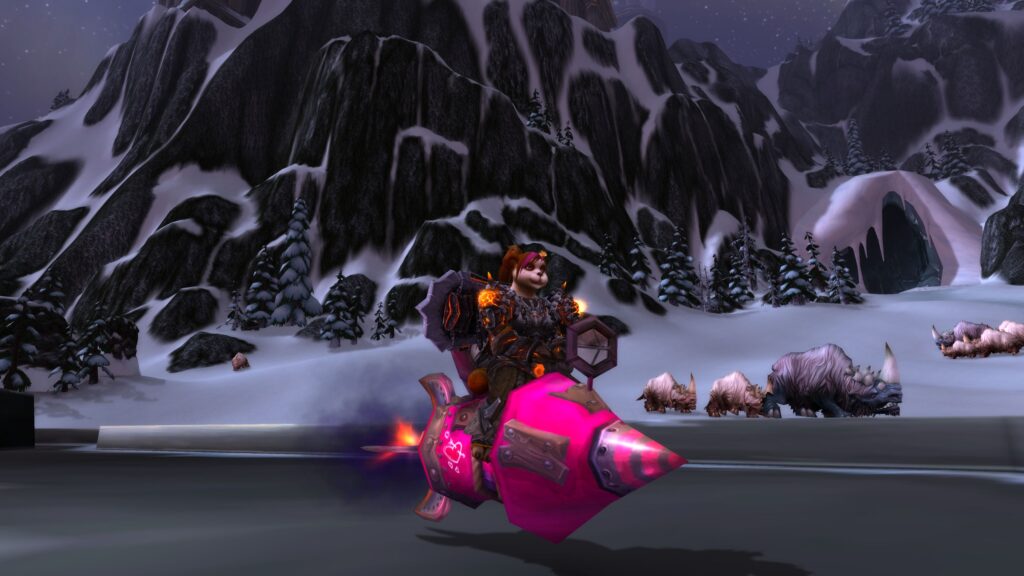
Evolution of WoW Cinematics
At launch in 2004, WoW relied on simple, in‑engine sequences—camera pans, NPC animations, and text overlays—to set the stage for raids and expansions. As the game matured, Blizzard introduced pre‑rendered videos with high‑fidelity art, original scores, and voice acting, beginning with the The Burning Crusade opening cinematic. By Legion, fully lip‑synced characters and dynamic facial animations conveyed subtle emotional beats, while Dragonflight’s integration of real‑time cutscenes in engine underscored immediate player agency. Each technological leap not only enhanced visual polish but allowed storytellers to craft more nuanced moments—transforming major updates into must‑see events.
Narrative Techniques and Emotional Impact

Effective cutscenes balance exposition with dramatic tension. WoW’s cinematics often employ:
- Character Close‑ups: Tight framing on eyes or expressions during pivotal dialogue—Jaina’s anguished gaze after Theramore’s fall or Thrall’s resolute countenance when founding Durotar.
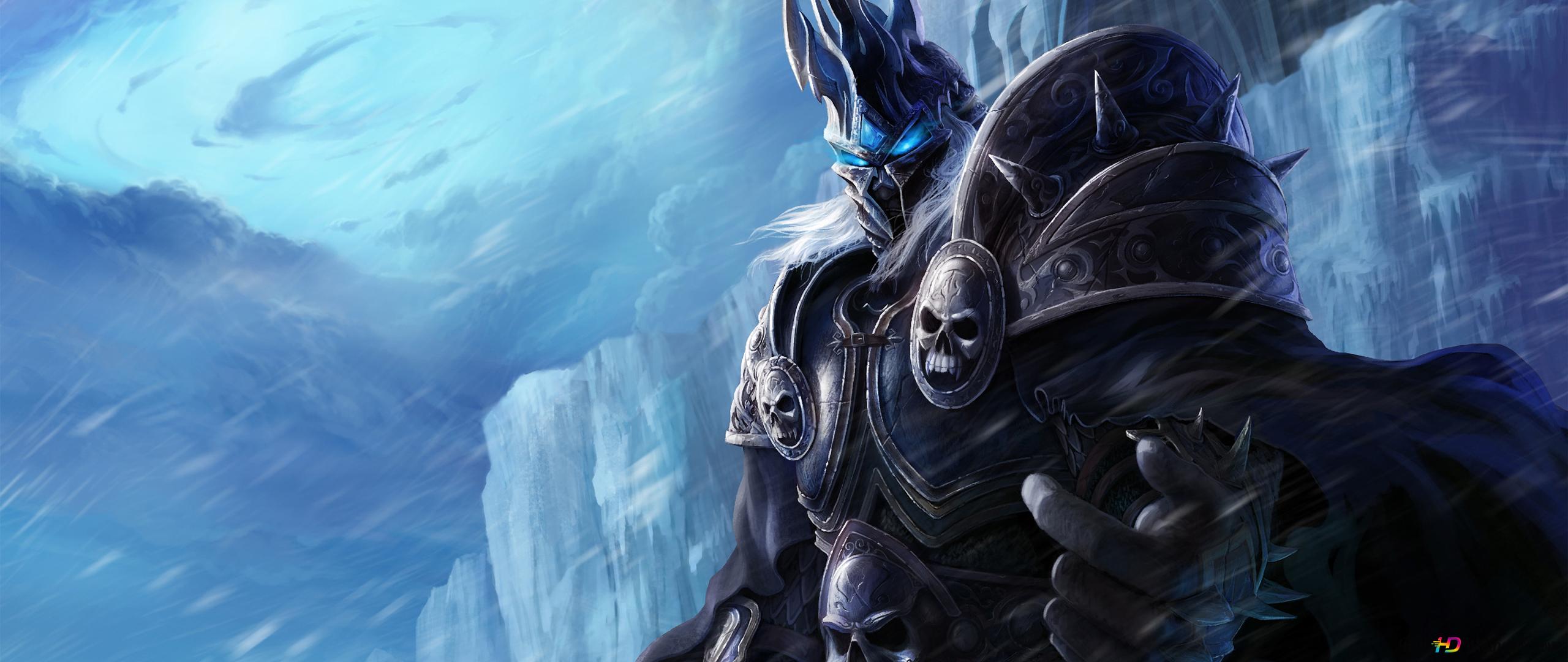
- Audio Design: Original scores that swell at moment of triumph (Anduin’s coronation) or strike dissonance in tragedy (Uther’s final moments in Icecrown).
- Intercut Gameplay Elements: Seamless transitions from player control to scripted action—such as doling out the Hand of A’dal to new Scryers—keep immersion intact.
By layering these techniques, cinematics can elicit laughter, sorrow, or awe, making lore moments resonate long after the credits roll.
Technical Implementation and Community Reception

Behind every cinematic lies a complex pipeline: concept art, storyboarding, 3D modeling, motion capture, and rendering—whether in‑engine or prerendered. Blizzard’s cinematics team collaborates closely with narrative directors to ensure story beats align with gameplay timing. Community reaction often drives future investments: the overwhelmingly positive response to the Shadowlands renewal cinematic prompted Blizzard to expand real‑time cutscenes in patch content, while criticism of uneven voice‑acting in earlier expansions led to more rigorous casting and recording processes. Today, cinematic releases generate global watch parties, fan‑made breakdowns on YouTube, and in‑game viewing rooms hosted by guilds.
Conclusion & Cinematic Comparison
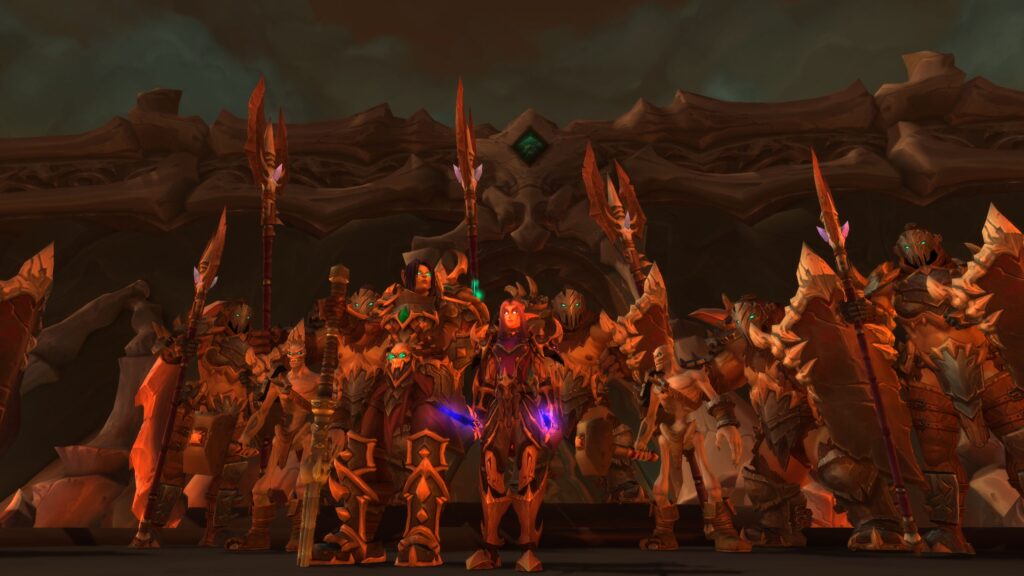
Cinematics in WoW have evolved from simple camera pans and subtitles into fully realized narrative experiences that rival blockbuster trailers. By blending technical innovation with emotional storytelling, Blizzard ensures each expansion’s key moments leave a lasting imprint on Azeroth’s history and its players’ memories.
Key WoW Cinematic Milestones
| Expansion | Style | Signature Moment | Impact |
|---|---|---|---|
| Burning Crusade | Prerendered | Illidan’s Reveal | Set tone for heroic epic |
| Wrath of the Lich King | In-Engine & Voiced | Uther’s Death | Heightened emotional stakes |
| Legion | Advanced Mocap | Khadgar’s Sacrifice | Seamless gameplay blend |
| Shadowlands | Hybrid Real-Time | Bolvar’s Coronation | Revitalized narrative style |