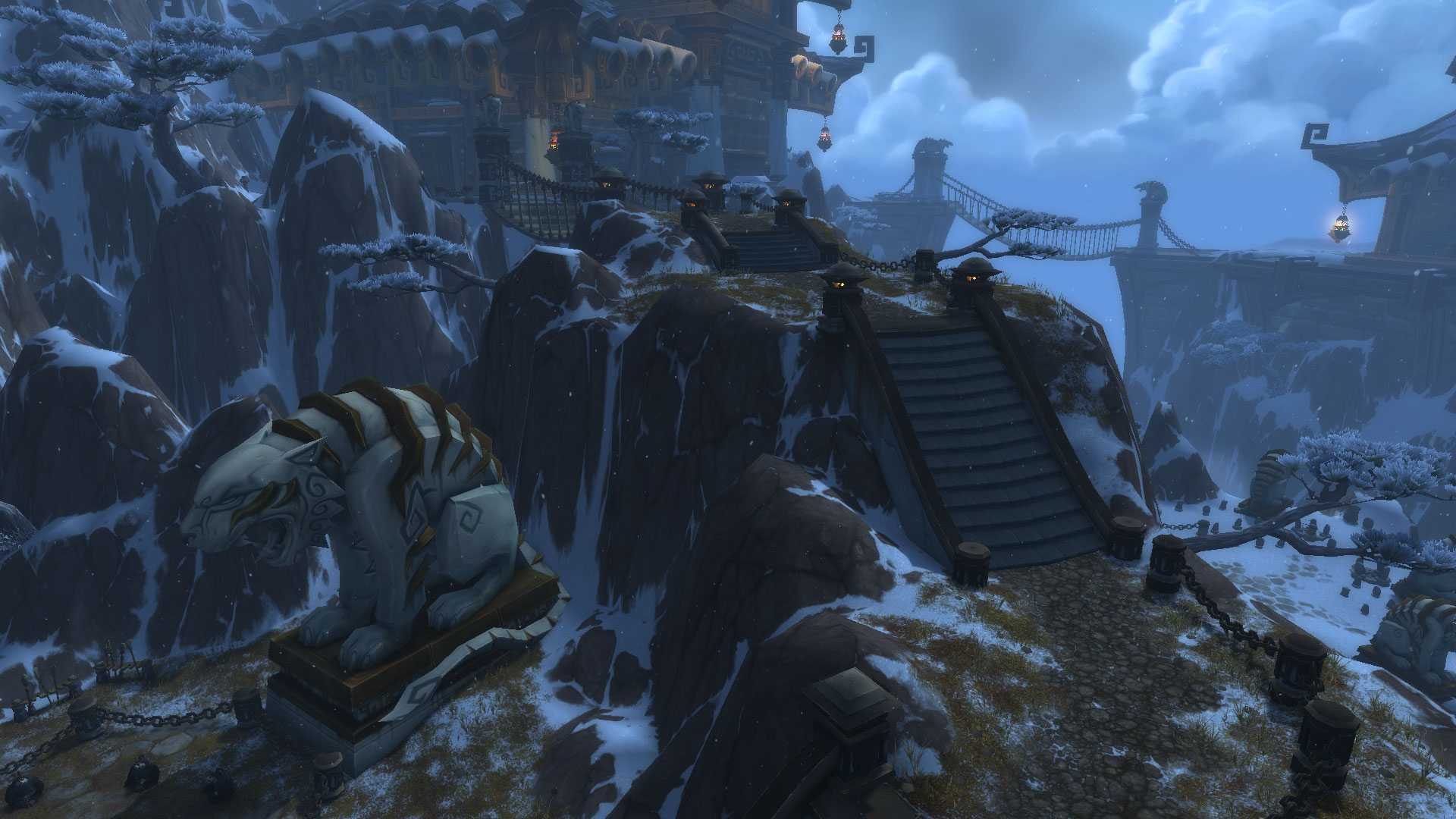
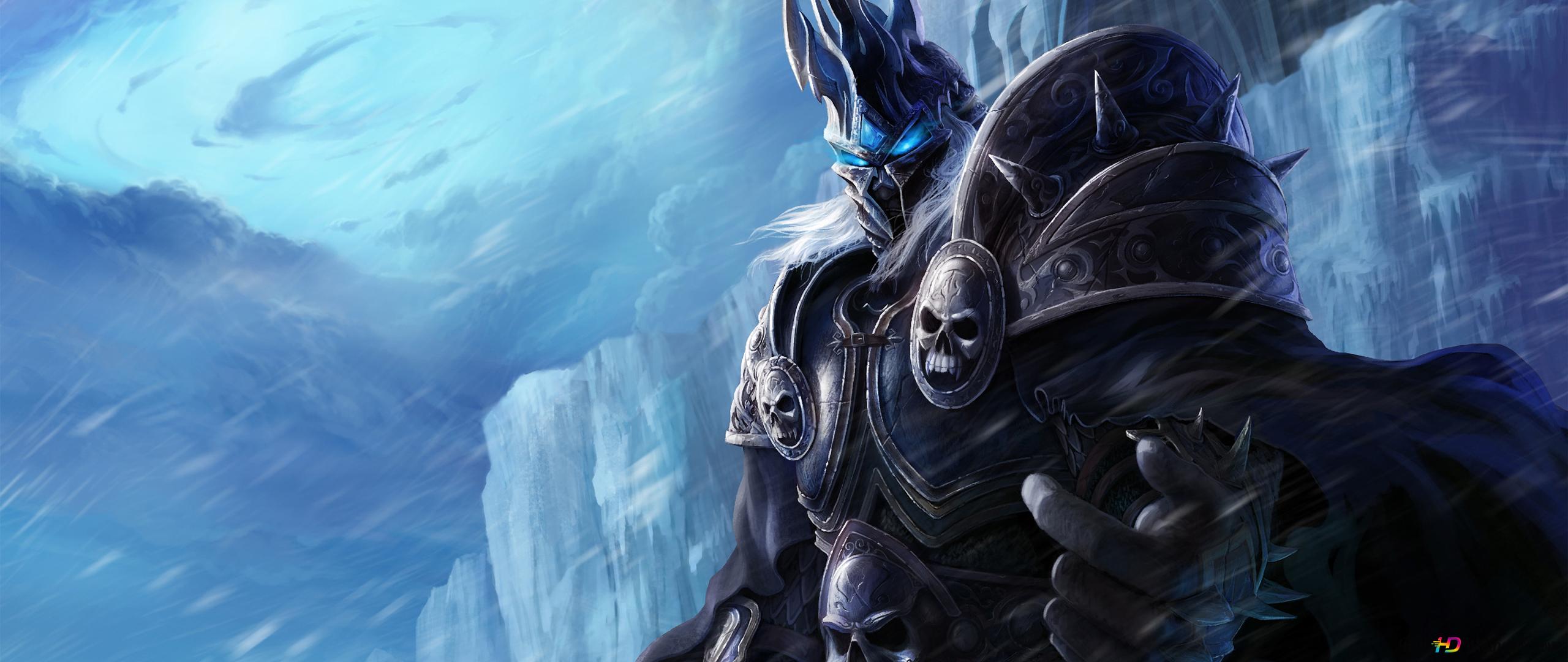
Introduction. Few figures in World of Warcraft history have left as deep a mark as the Lich King. His story—tragic, grand, and morally complex—didn’t end atop Icecrown Citadel. It became a template for storytelling, tone, and design philosophy across every expansion that followed. From Shadowlands to The War Within, echoes of Arthas Menethil’s fall and redemption still ripple through the world’s narrative fabric. The Lich King’s legacy is more than a villain’s memory—it’s the emotional foundation upon which modern WoW continues to build its identity.
This article explores how the influence of the Lich King endures, shaping lore, aesthetics, and emotional resonance across expansions long after his defeat.
The Emotional Blueprint of Arthas
Arthas’s story redefined what storytelling in WoW could achieve. His fall from noble prince to undead tyrant gave the game its first truly Shakespearean tragedy—one rooted in love, fear, and corruption. Unlike earlier villains driven by power or madness, Arthas was human. His choices felt intimate, relatable, and devastating. That humanity became the gold standard for character-driven storytelling in future expansions, inspiring Blizzard to explore internal conflict in heroes like Anduin Wrynn, Sylvanas Windrunner, and Illidan Stormrage.

The depth of Arthas’s arc proved that morality in Warcraft didn’t need to be black and white. Players didn’t just fight him—they mourned him. The emotional imprint of that story established a precedent for blending epic scale with personal consequence, a formula Blizzard continues to refine with each new saga.
The Lich King’s Aesthetic Legacy
The visual language of the Lich King era remains one of the most iconic in gaming. From the frozen citadels of Icecrown to the blue glow of Frostmourne, Blizzard’s art direction turned Northrend into a symbol of desolation and grandeur. Later expansions—especially Shadowlands and The War Within—continue to borrow this cold, regal aesthetic to evoke power and melancholy. Frost, armor, and ruin have become visual shorthand for corrupted nobility.
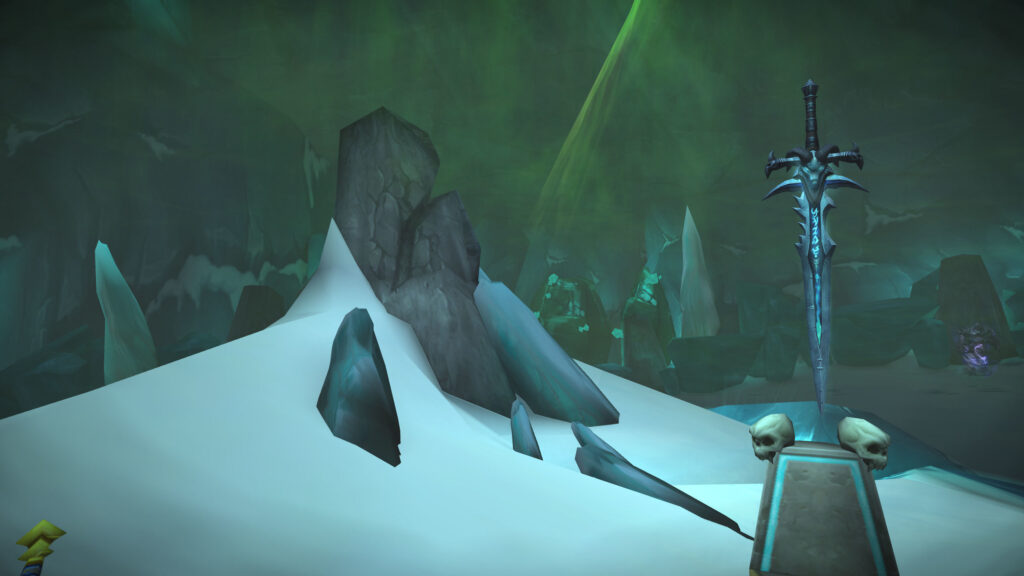
Even music and environmental design still echo his influence. Every snowstorm, minor-key melody, and slow fade of light in modern WoW can trace inspiration back to Wrath of the Lich King’s haunting tone. The atmosphere he left behind became a canvas for sorrow and reflection, shaping how the game presents beauty through despair.
Echoes in Modern Storylines
Blizzard continues to weave the Lich King’s shadow into new narratives. The Maw in Shadowlands carried thematic DNA from Icecrown’s despair, while the fractured souls of the expansion mirrored Arthas’s own spiritual disintegration. In The War Within, the emotional struggles of characters like Anduin and Thrall reflect the same search for identity that defined Arthas’s tragedy. His story lingers not as a copy, but as a mirror—reflecting how heroes and villains are both products of pain.
In this way, the Lich King’s influence transcends time. Each expansion revisits his lessons in new forms: the danger of ambition, the fragility of virtue, and the redemption that can only come through self-awareness. He remains a ghost haunting Azeroth’s conscience.
- Shadowlands: Explored themes of death and soul fragmentation inspired by the fall of Arthas.
- Dragonflight: Reintroduced moral balance and healing after years of cosmic darkness.
- The War Within: Continues the psychological legacy—heroes facing their own inner corruption.
- Future Expansions: Likely to revisit the balance between redemption and power born from Arthas’s tale.
The Legacy of Humanity in a World of Gods
The Lich King’s tale endures because it grounded a fantasy universe in human emotion. In a world of dragons and titans, Arthas’s tragedy reminded players of the frailty of choice. He wasn’t a god or a demon—he was one of us, undone by fear and love. Modern WoW continues to emulate that duality, giving even its most powerful characters human motivations.
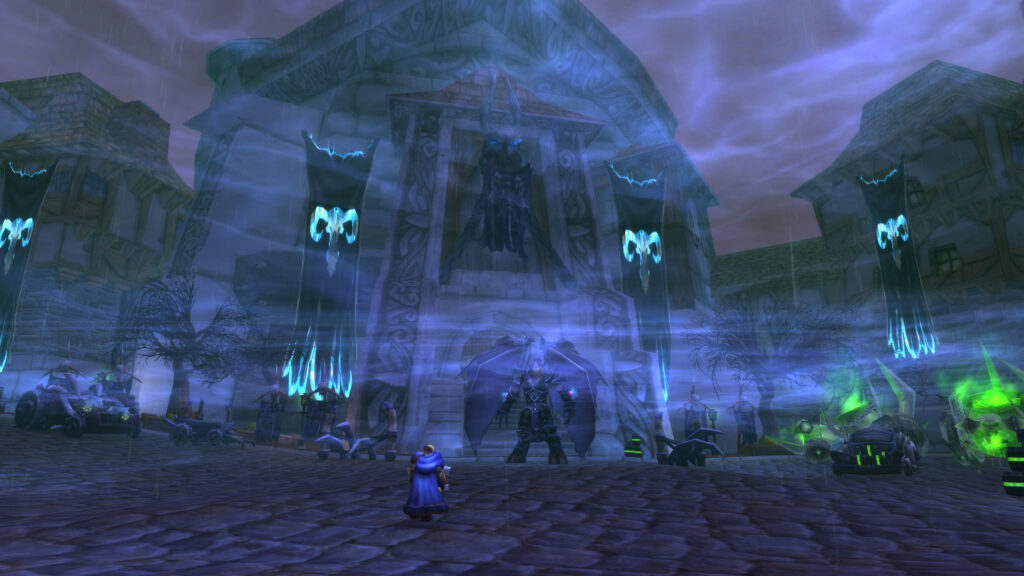
This narrative principle—the marriage of myth and mortality—has become Blizzard’s most consistent strength. It ensures that no matter how grand the story grows, its soul remains rooted in the human condition. And that, more than Frostmourne or Icecrown, is the true legacy of the Lich King.
Conclusion
The Lich King’s influence persists because his story transcends expansion cycles—it defines them. His tragedy shaped how Blizzard tells stories, designs environments, and writes emotion into its world.
Every tear shed in Icecrown still echoes in the halls of future raids and cinematics. The Lich King may be gone, but his crown still casts a shadow—a reminder that the most powerful villains are those who once tried to be heroes.